Beginner's Guide to Strength Training
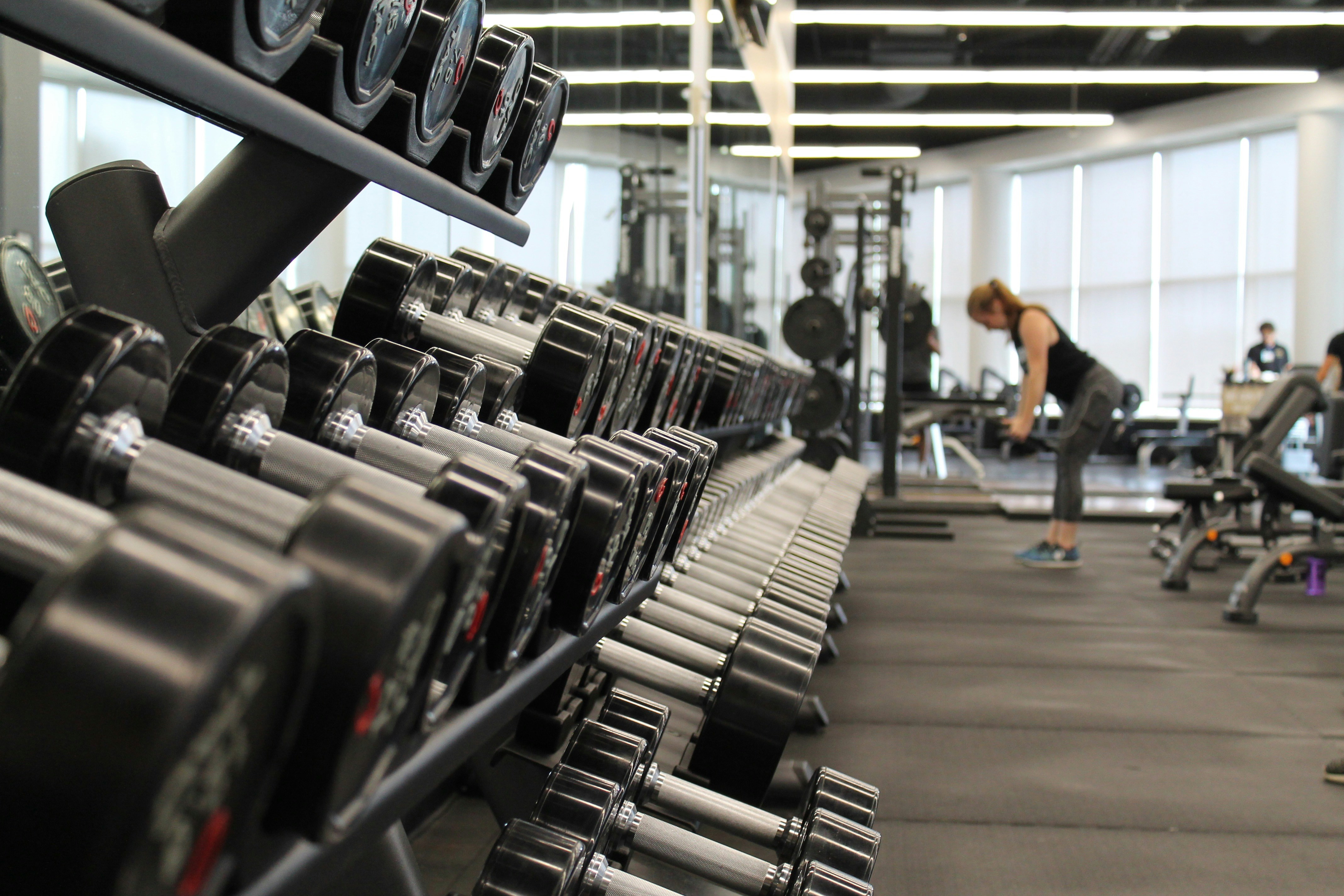
<p>Many people describe their first experience walking into a serious gym as daunting. The scene can often be filled with individuals engaged in unfamiliar, intense lifting routines. This environment often leads to feelings of inadequacy or self-consciousness, particularly for those new to fitness. Such initial experiences, while intimidating, can frequently be the beginning of a transformative journey, fostering a passion that significantly impacts one's health and well-being, and potentially, the lives of others they might later guide in their fitness endeavors.</p>
Why Strength Training Isn't Just for Bodybuilders
When most people hear 'strength training,' they immediately picture Arnold Schwarzenegger or sculpted fitness models. However, it encompasses far more than building massive biceps. For many individuals, the benefits are far more practical and profound. These benefits can include feeling stronger in everyday life – easily carrying groceries, playing with children without getting winded, or even just opening a stubborn jar of pickles.
Beyond the functional aspects, strength training has incredible health benefits. It builds bone density, which is crucial for preventing osteoporosis as people age. It also helps manage weight by boosting metabolism, as muscle tissue burns more calories at rest than fat tissue. Dr. Brad Schoenfeld, a prominent exercise scientist, has extensively researched the metabolic advantages of resistance training, showing how it can significantly improve body composition. Plus, it is beneficial for mental health – the feeling of accomplishment after a tough lifting session is truly empowering. This transformation in confidence has been observed firsthand among those who incorporate strength training into their routine.
Your First Steps: Getting Started Without Overdoing It
So, an individual is ready to dive in? Fantastic! A common mistake observed among beginners is attempting too much, too soon. They might jump into advanced routines seen on social media, leading to prolonged soreness and subsequent abandonment of the program. The advice often given is to start small and prioritize consistency. Fancy equipment or a commercial gym membership are not prerequisites for beginning. One's own body weight serves as a powerful tool. Consider exercises such as squats, push-ups (even on the knees or against a wall), and lunges.
Before incorporating external weights, it is generally recommended to spend a week or two becoming comfortable with these basic movements, focusing on proper form. This leads to the next crucial point: learning proper technique is paramount. Attempting to lift heavy with poor form is a recipe for injury, not gains. There is no need to be afraid of using lighter weights, even just the bar, to truly master the movement pattern. The initial focus should not be on the quantity lifted, but on the quality of the lift. It is often emphasized that 'empty bar reps are your best friends when starting out.' Prioritizing form over ego is a practice that will benefit one in the long run.
Mastering the Big Movers: Why Compound Lifts are King
When discussing efficient and effective strength training, compound lifts are considered the bedrock of many effective programs. These exercises involve multiple joints and muscle groups working together simultaneously. For instance, when one picks something up from the floor, the glutes, hamstrings, back, and even the core are engaged. This represents a compound movement. In contrast, bicep curls isolate a single muscle group. While isolation exercises have their place, particularly for advanced lifters or specific goals, compound movements often offer more comprehensive benefits.
For beginners, focusing on compound lifts such as squats, deadlifts (or Romanian deadlifts), overhead presses, and rows can yield fast and comprehensive results. They mimic natural human movement patterns, build overall strength, and engage more muscle mass, which translates to a greater calorie burn and hormonal response. Foundational programs are often built around these movements. A study published in the Journal of Strength and Conditioning Research in 2017 highlighted the superior hypertrophic (muscle growth) and strength gains achieved through multi-joint exercises compared to single-joint movements in novice lifters.
Building Your First <em>Novice Program</em>: Simple & Effective
Alright, let's get down to brass tacks. What does a good beginner strength program look like? Simplicity is key. A full-body workout performed 2-3 times per week, with a rest day in between, is ideal. This allows muscles ample time to recover and grow. Each workout should include one exercise from each major movement pattern: a squat, a hinge (like a deadlift variation), a push (like a bench press or overhead press), and a pull (like a row).
Here's a template commonly suggested for beginners:
- Warm-up: 5-10 minutes of light cardio (jogging, cycling) and dynamic stretches (arm circles, leg swings).
- Squat Variation: Goblet Squats or Barbell Back Squats (3 sets of 5-8 repetitions)
- Push Variation: Dumbbell Bench Press or Overhead Press (3 sets of 5-8 repetitions)
- Pull Variation: Dumbbell Rows or Lat Pulldowns (3 sets of 8-12 repetitions)
- Hinge Variation: Romanian Deadlifts (with dumbbells or a light barbell) (3 sets of 8-12 repetitions)
- Accessory (Optional): Plank (3 sets, hold for 30-60 seconds)
- Cool-down: 5-10 minutes of static stretching.
Remember, the goal is progressive overload – gradually increasing the weight, reps, or sets over time as strength improves. It is advisable not to add too much weight at once; small, consistent increases are often recommended. Many trainers and programs advise aiming for an increase of 2.5 lbs (or the smallest increment available) every week if form is maintained.
Fueling Your Progress: Nutrition and Recovery Are Non-Negotiable
One can train like an Olympian, but if nutrition and recovery are not optimized, a lot of potential gains may be missed. The body can be thought of as a construction site. Strength training is the demolition and rebuilding process, and food serves as the building material. If insufficient high-quality materials are supplied, the structure may not be as strong or resilient.
Prioritize protein intake. An aim of roughly 0.7-1 gram of protein per pound of body weight daily is often recommended. This is crucial for muscle repair and growth. Chicken breast, lean beef, fish, eggs, Greek yogurt, and protein powder are all excellent sources. Carbohydrates should not be neglected – they are a primary energy source for workouts, and healthy fats are important for hormone production. Adequate hydration is also essential; dehydration can significantly impair performance and recovery. Lastly, sleep is where much of the body's repair and rebuilding takes place. Aim for 7-9 hours of quality sleep each night. It is during sleep that the body actually repairs and builds muscle, so insufficient sleep can hinder progress. Clients have been observed to make significant progress simply by consistently improving their sleep habits.
The Long Game: Consistency and Patience Are Your Superpowers
One of the hardest lessons to learn in strength training, and honestly, in life, is patience. Many observe that in a world of instant gratification, building strength and muscle takes time, consistency, and a whole lot of effort. Dramatic changes are not seen overnight, and that is generally accepted. There will be days when individuals feel strong, and days when the weights feel incredibly heavy. That is all part of the process.
The key is showing up, even on the days it is difficult. Sticking to a novice program, focusing on form, and gradually challenging oneself with compound lifts are crucial. Celebrating the small victories: an extra rep here, a tiny weight increase there, can be highly motivating. These accumulate into significant progress over weeks, months, and years. It is often said that 'The best program in the world is the one you actually stick to.' It is important not to compare one's beginning to someone else's middle. Focusing on one's own journey, tracking progress, and trusting the process can lead to surprising results.
Key takeaways
- Strength training offers benefits beyond aesthetics, including improved bone density, metabolism, and mental well-being.
- Begin with bodyweight exercises and prioritize perfect form over heavy weights to prevent injury and build a solid foundation.
- Focus on compound lifts (squats, deadlifts, presses, rows) as they are the most effective for overall strength and muscle development.
- Follow a simple, consistent novice program (2-3 full-body workouts per week) with progressive overload.
- Fuel your body with adequate protein (0.7-1g/lb), healthy carbs, fats, and water, and prioritize 7-9 hours of sleep for optimal recovery and growth.
This article reflects the personal experience and professional opinion of the author and is provided for educational purposes. It is not a substitute for medical advice. Always consult a qualified clinician before making changes to your nutrition, training, or sleep.