Building Muscle After 40: A Complete Guide
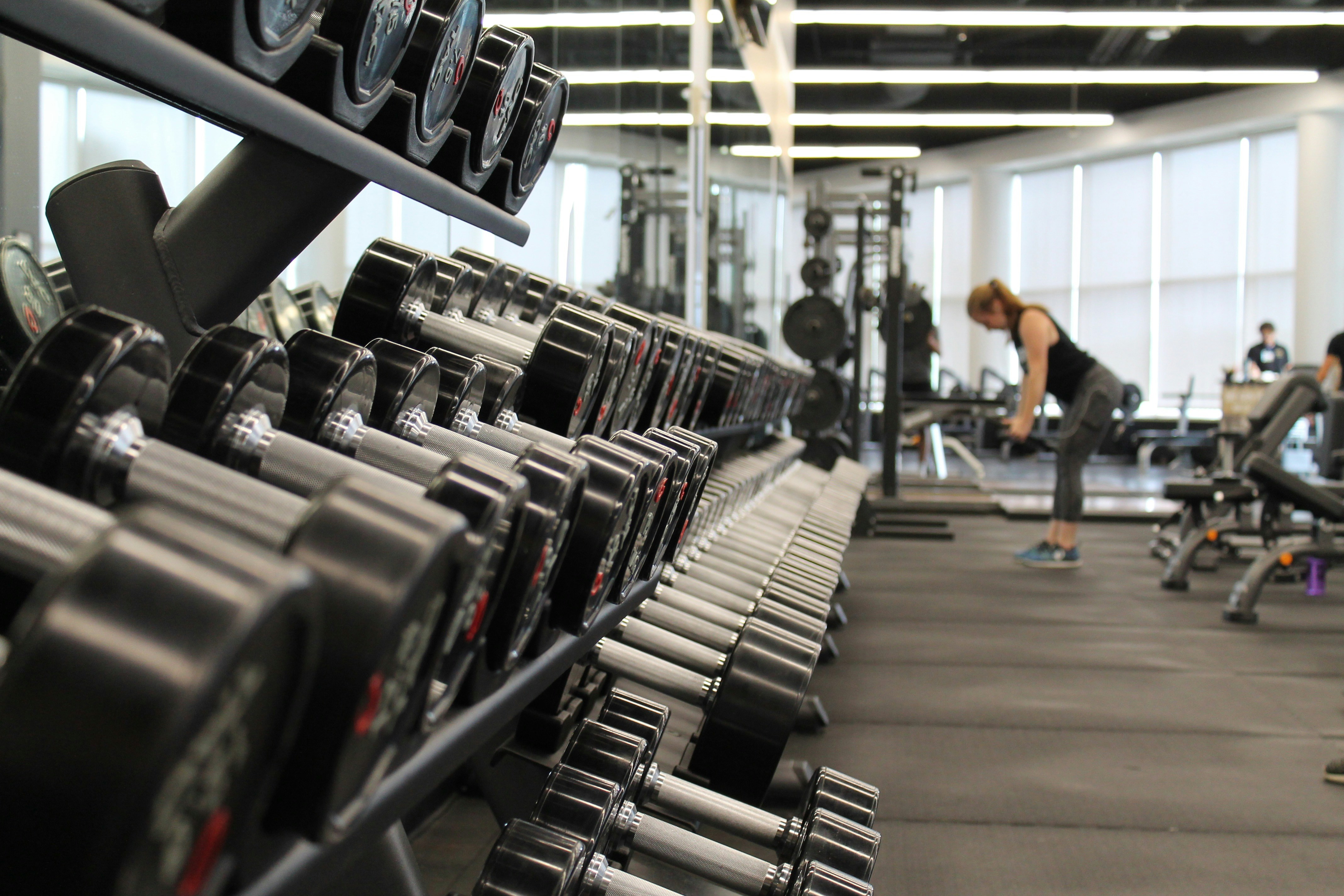
<p>One reader recently reported achieving a new personal record on their deadlift – 225 pounds! This individual, who just turned 48, serves as an example that the potential to get stronger and build muscle does not necessarily diminish after the age of 40. Evidence and reader reports consistently show that significant gains are achievable after 40.</p>
The Reality of Aging and Muscle: What Changes?
Alright, let's be real. Our bodies aren't quite the same at 45 as they were at 25. There are some physiological shifts that occur as we age that can impact muscle building (or at least make it feel a bit different). The big one is sarcopenia, the age-related loss of muscle mass and strength. After age 30, we can lose anywhere from 3-8% of our muscle mass per decade, and this rate speeds up after 60. Testosterone levels, which play a role in muscle protein synthesis, also tend to decline gradually in men after 30. For women, hormonal changes around perimenopause and menopause can also influence body composition.
Does this mean it’s impossible to build muscle? Absolutely not! It just means we need to be a little smarter, a little more strategic, and a lot more consistent with our approach. A fascinating study published in the Journal of Applied Physiology in 2011 by researchers like Dr. William J. Evans demonstrated that even very elderly individuals could significantly increase muscle mass and strength through resistance training. The capacity is still there; we just need to tap into it properly.
Rethink Your Training Strategy: Progressive Overload is Still King
When it comes to actual training, the core principles of muscle building – progressive overload – remain paramount, regardless of age. This means continually challenging muscles to do more than they are accustomed to. That could be lifting heavier weights, performing more repetitions with the same weight, increasing training volume, or even decreasing rest times. However, the approach to progressive overload might need a slight tweak.
Instead of chasing personal records every single session, which can increase injury risk, the focus should be on consistent, disciplined effort. It is often recommended for individuals over 40 to prioritize compound movements like squats, deadlifts, overhead presses, and rows, as these engage multiple muscle groups and provide a great stimulus. Aim for 2-3 full-body or upper/lower splits per week, allowing for adequate recovery. The advice of 'listen to your body' becomes even more critical with age. Pushing through sharp pain is a recipe for disaster; it is important to differentiate between muscle fatigue and joint pain. One individual, aged 52, reported success with 3 full-body sessions per week, focusing on 3-4 sets of 6-12 reps per exercise, and observed steady strength gains over two years.
Nutrition: The Unheralded Hero for Hypertrophy After 40
One can train diligently, but if nutrition is not optimized, muscle-building efforts may be compromised. This is especially relevant for hypertrophy after 40. Protein intake is considered essential. Experts often recommend aiming for around 0.7-1 gram of protein per pound of body weight daily. For instance, for an individual weighing 180 pounds, this translates to roughly 126-180 grams of protein. Recommended sources include lean meats, poultry, fish, eggs, dairy, and plant-based options such as lentils and tofu. Spreading this intake throughout the day can help optimize muscle protein synthesis.
Carbohydrates should not be avoided. They provide energy for workouts and assist in recovery. Complex carbohydrates like oats, sweet potatoes, and whole grains are excellent choices. Healthy fats, sourced from avocados, nuts, and olive oil, are vital for hormone production and overall health. Hydration is another frequently underestimated factor; sufficient water intake supports metabolic functions and facilitates nutrient transport. It is often noted that 'you can't build a strong house with weak bricks, and you can't build strong muscle with poor fuel.'
Optimize Recovery: Now More Than Ever
This is where things really shift for older lifters. In their 20s, many could hit the gym hard 5-6 times a week, get 6 hours of sleep, and still feel ready to go. This often changes with age. The body demands more recovery now. Inadequate recovery isn't just about feeling tired; it can impede muscle growth and increase the risk of injury.
Prioritize sleep above almost all else. Aim for 7-9 hours of quality sleep every night. That's when the body repairs tissue and releases growth hormone. Consider incorporating active recovery like light walks, stretching, or foam rolling on off days. These can improve blood flow and reduce muscle soreness without adding stress. Stress management is also huge; chronic stress elevates cortisol, which can be detrimental to muscle growth. Things like meditation, spending time in nature, or even just carving out time for hobbies can make a big difference in the ability to recover and build muscle effectively.
Smart Supplementation and Listening to Your Body
While food should always be the primary source of nutrients, certain supplements can be beneficial, especially for muscle building after 40. Creatine monohydrate is one regularly recommended; it's heavily researched and proven to increase strength and muscle mass. Whey protein or a plant-based protein powder can help hit those daily protein targets, especially post-workout or for busy individuals. Vitamin D3 and Omega-3 fatty acids are also great for overall health, joint support, and can indirectly aid recovery and performance.
Beyond supplements, truly listening to the body is perhaps the most important 'supplement' one can take. Is one feeling overly fatigued? An extra rest day may be beneficial. Are joints aching? Modifying the exercise or lightening the load can be helpful. There is no need to be afraid to take deload weeks every 6-8 weeks, where training volume or intensity is significantly reduced to allow for full recovery. This isn't weakness; it's smart, sustainable training that will keep individuals in the gym and making progress for years to come. Dr. Stuart Phillips, a prominent researcher in muscle protein synthesis, often emphasizes that consistency over time, rather than heroic efforts, is what truly builds muscle.
Consistency and Patience: The Long Game
Building muscle, especially after 40, isn't a sprint; it's a marathon. Dramatic changes are not typically seen overnight, and that's perfectly normal. What is generally observed, with consistency, is gradual, sustainable progress. Celebrating small victories is encouraged: a few more reps, a slightly heavier weight, feeling stronger in everyday life. One individual who began training at 55 with almost no prior experience reported significant muscle gain over three years. This was often achieved not through extreme measures, but by consistent effort week after week, making tiny, consistent improvements.
It is important not to compare one's progress to younger lifters or to a younger self. Focus on one's own journey and progress. The benefits of muscle building extend far beyond aesthetics: improved bone density, better metabolic health, increased functional strength for daily activities, and a stronger immune system. Embracing the process, being patient, and staying consistent are considered ultimate keys to successfully building muscle and thriving after 40. This is achievable for many individuals!
Key takeaways
- Muscle building after 40 is absolutely achievable with a smart, consistent approach.
- Prioritize progressive overload with compound movements, adjusting intensity to suit your body.
- High protein intake (0.7-1g/lb body weight) and balanced nutrition are crucial for muscle growth and recovery.
- Optimize recovery through 7-9 hours of quality sleep, active recovery, and stress management.
- Consider smart supplementation like creatine, protein powder, and Vitamin D3 (if needed), but always prioritize whole foods.
- Consistency and patience are key; focus on long-term sustainable progress over short-term dramatic changes.
This article reflects the personal experience and professional opinion of the author and is provided for educational purposes. It is not a substitute for medical advice. Always consult a qualified clinician before making changes to your nutrition, training, or sleep.