Protein Requirements: How Much Do You Really Need?
For years, many individuals embraced the idea that consuming large quantities of protein, particularly in post-workout shakes, was always beneficial. Some found their pantries filled with numerous protein supplements. It was through a deeper dive into scientific literature, reviewing various dietary approaches, and analyzing nutritional data that the VitalLife Editorial Team realized how many misconceptions exist regarding optimal protein intake.
Why Protein Matters More Than You Think (Beyond Just Big Muscles)
When most people think of protein, they immediately picture bodybuilders flexing. And sure, protein is absolutely crucial for building and repairing muscle tissue – that's a given. But its role in the body is far more expansive and equally vital. It is often described as the ultimate multi-tasker nutrient. It's not just about biceps; it's about practically every cell in the body.
Protein forms enzymes that drive thousands of biochemical reactions, from digestion to energy production. It makes up hormones, like insulin, which regulate blood sugar, and hemoglobin, which carries oxygen in the blood. Hair, skin, and nails are primarily made from protein. Plus, it plays a key role in immune function, creating antibodies to fight off infections. So, if adequate amounts are not consumed, one is not just risking smaller muscles; there is potential for compromising overall health, energy levels, and even the ability to stay healthy during flu season. It’s a core building block for life itself, and truly, optimal function is not possible without it.
What's the Official Word? Understanding the RDA
The baseline for protein intake is the Recommended Dietary Allowance (RDA), which for a typical healthy adult is 0.8 grams per kilogram of body weight per day. For an individual weighing 150 pounds (approximately 68 kg), this equates to about 54 grams of protein daily. Many individuals, especially those new to tracking their food intake, often find they are already meeting or exceeding this amount without conscious effort, particularly when following a fairly balanced diet.
It is important to understand what the RDA signifies. Dr. Robert R. Wolfe, a prominent researcher in protein metabolism, frequently highlights that the RDA is intended to fulfill the basic nutritional requirements for nearly all healthy individuals, thereby preventing deficiency. It is not necessarily the optimal intake for everyone, particularly for those with specific objectives such as muscle building, weight loss, or healthy aging. The RDA serves more as a minimum threshold rather than an upper limit, acting as a safeguard to ensure sufficient protein intake for fundamental bodily functions.
Active Lifestyles and the Strength Training Boost
Now, let’s get to where the numbers start to climb. If an individual is physically active, consistently hitting the gym for strength training, or engaging in regular endurance sports, protein needs definitely increase. Why? Because exercise, particularly resistance training, puts a significant demand on muscles. It creates tiny micro-tears in the muscle fibers, and protein is what the body uses to repair and rebuild those fibers, making them stronger and larger – a process known as muscle protein synthesis.
For individuals committed to building muscle, the general consensus among sports nutrition experts, including guidelines from the International Society of Sports Nutrition (ISSN), suggests a protein intake range of 1.6 to 2.2 grams per kilogram of body weight per day. For a 150-pound person, that means somewhere between 109 and 150 grams daily. That's a pretty substantial leap from the RDA, and it is a range often reported as effective for maximizing muscle gain and recovery. Going much higher than 2.2 g/kg generally doesn't offer additional benefits for muscle growth, as studies have shown a diminishing return.
Protein for Weight Loss: Your Satiety Superpower
This is where protein becomes an absolute rockstar for many individuals focusing on health and weight management. If one is trying to lose weight, boosting protein intake can be incredibly beneficial for several key reasons. First and foremost, protein is incredibly satiating. It helps individuals feel fuller for longer compared to fats or carbohydrates. This means there is less likelihood of snacking mindlessly or feeling ravenous between meals, which is a significant advantage when in a calorie deficit.
Secondly, protein has a higher thermic effect of food (TEF) than carbs or fats. This means the body expends more energy (burns more calories) to digest and metabolize protein. While the calorie difference isn't massive, every little bit helps when trying to create a sustainable calorie deficit. Many coaches and dietitians often recommend aiming for the higher end of the 1.6-2.2 g/kg range for weight loss phases, especially if strength training is involved, to help preserve lean muscle mass while body fat is reduced. This helps maintain the metabolic rate and keeps individuals looking toned as they shed pounds.
Older Adults: A Crucial Need for More Protein
As individuals age, their bodies become a bit less efficient at building and maintaining muscle mass. This phenomenon, known as sarcopenia, can significantly impact quality of life, increasing the risk of falls and reducing independence. It is a topic covered extensively with maturing clients. This decline means that older adults, surprisingly, often need more protein than younger sedentary adults to counteract these age-related changes and maintain muscle mass.
Current research suggests that older adults may benefit from protein intake closer to 1.0 to 1.2 grams per kilogram of body weight, and even up to 1.5 g/kg from a 2017 study in the Journal of the American Medical Directors Association, especially if they are physically active or dealing with chronic illnesses. This is a crucial point because many older individuals naturally reduce their food intake or might have lower appetites, making it harder to hit these targets. It is often advised to focus on protein at every meal and consider easy-to-consume options like Greek yogurt, cottage cheese, or protein powders to ensure adequate intake.
It's Not Just How Much, But When: Spreading It Out
Here’s another key piece of the protein puzzle that often gets overlooked: distribution. It’s not just about hitting a daily total; it’s also about how protein intake is spread throughout the day. The body can only utilize so much protein for muscle protein synthesis in one sitting. Consuming 100 grams of protein in one meal and then having very little the rest of the day isn't nearly as effective as spacing it out.
Research by Dr. Donald Layman and others has shown that the body responds best to regular, consistent stimulation of muscle protein synthesis. This means aiming for around 20-40 grams of high-quality protein at each major meal (breakfast, lunch, and dinner), and potentially including a protein-rich snack or two, especially post-workout. For example, an effective day for many might look like: 30g at breakfast (e.g., eggs and cottage cheese), 40g at lunch (chicken salad), a 25g protein shake post-workout, and another 40g at dinner (salmon and quinoa). This consistent pulsing helps keep the body in an anabolic (muscle-building) state throughout the day, maximizing the benefits of total protein intake.
Quality Matters: Best Sources to Hit Your Numbers
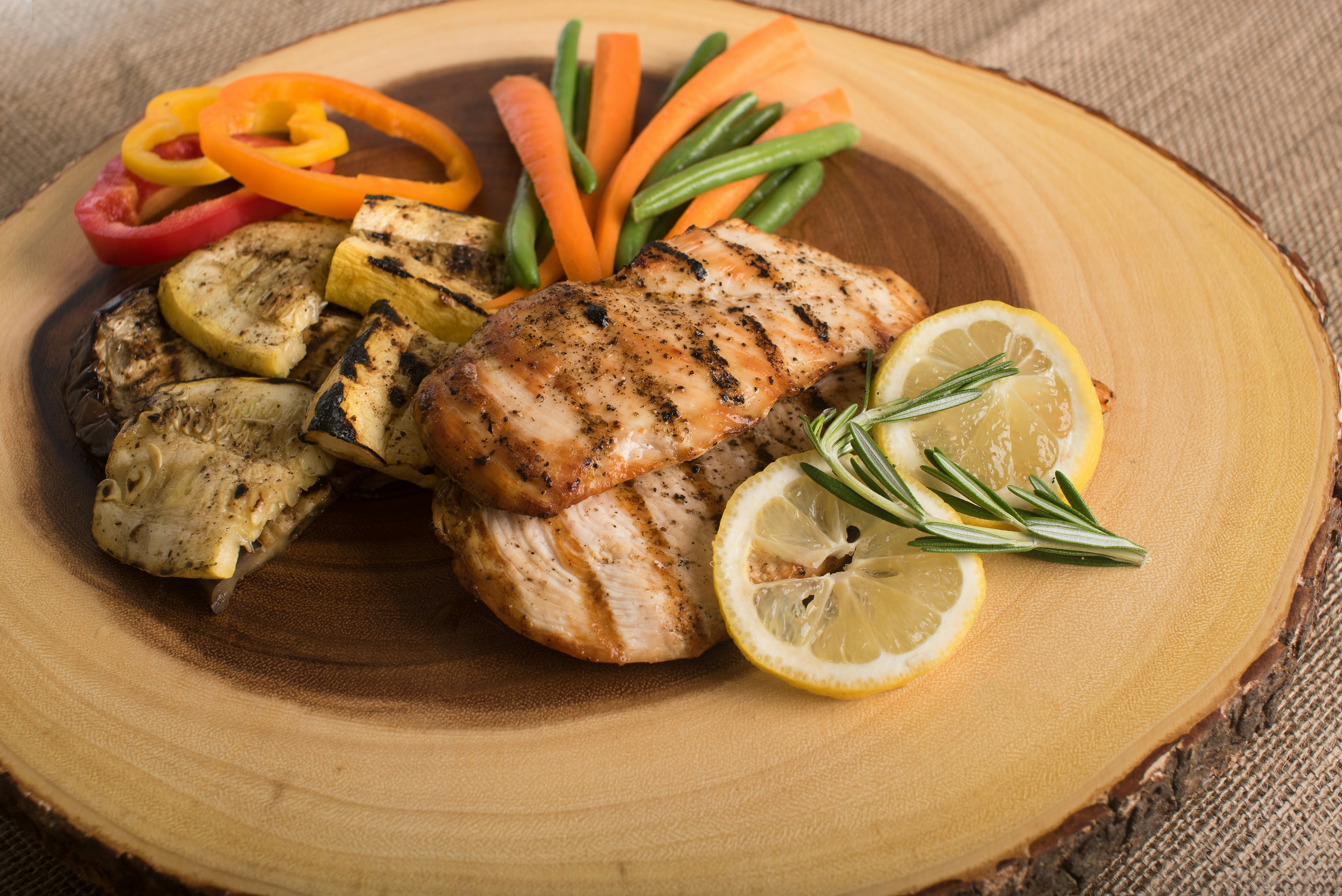
Knowing a target protein intake and the need to spread it out, the focus often turns to sourcing this vital nutrient. Not all protein sources are created equal. Discussions frequently include 'complete' proteins, which contain all nine essential amino acids that the body cannot produce. Animal sources typically offer complete proteins. Examples include lean meats such as chicken breast, turkey, and beef, as well as fish (salmon, cod), eggs, and dairy products like Greek yogurt, cottage cheese, and milk are excellent.
For individuals following vegetarian and vegan diets, achieving target protein numbers requires careful planning, but it is entirely feasible. Plant-based complete proteins include soy products (tofu, tempeh, edamame), and quinoa. Additionally, combining various plant sources throughout the day can provide a complete amino acid profile. For instance, combinations like rice and beans, or hummus and whole-wheat pita are often cited. Protein powders – whether whey, casein, or plant-based varieties like pea or rice protein – can also serve as convenient tools to increase protein intake, particularly for those with busy schedules or who struggle with appetite. It is important to remember that variety is key to obtaining a wide range of nutrients, so diversifying protein sources can help maintain interest and ensure the body receives all necessary components.
Key takeaways
- The official RDA is 0.8 g/kg body weight, but this is a minimum to prevent deficiency, not optimal for everyone.
- Active individuals and those resistance training should aim for 1.6-2.2 g/kg body weight for optimal muscle building and repair (muscle protein synthesis).
- Higher protein intake (around 1.6-2.2 g/kg) is beneficial for weight loss due to increased satiety and thermic effect.
- Older adults may need significantly more protein (1.0-1.5 g/kg) to combat age-related muscle loss (sarcopenia).
- Distribute protein intake throughout the day, aiming for 20-40 grams per meal, to maximize absorption and muscle protein synthesis.
- Prioritize high-quality, complete protein sources (lean meats, dairy, eggs) and ensure variety; plant-based options like soy and combinations of grains/legumes are also excellent.
This article reflects the personal experience and professional opinion of the author and is provided for educational purposes. It is not a substitute for medical advice. Always consult a qualified clinician before making changes to your nutrition, training, or sleep.