Complete Guide to Plant-Based Protein
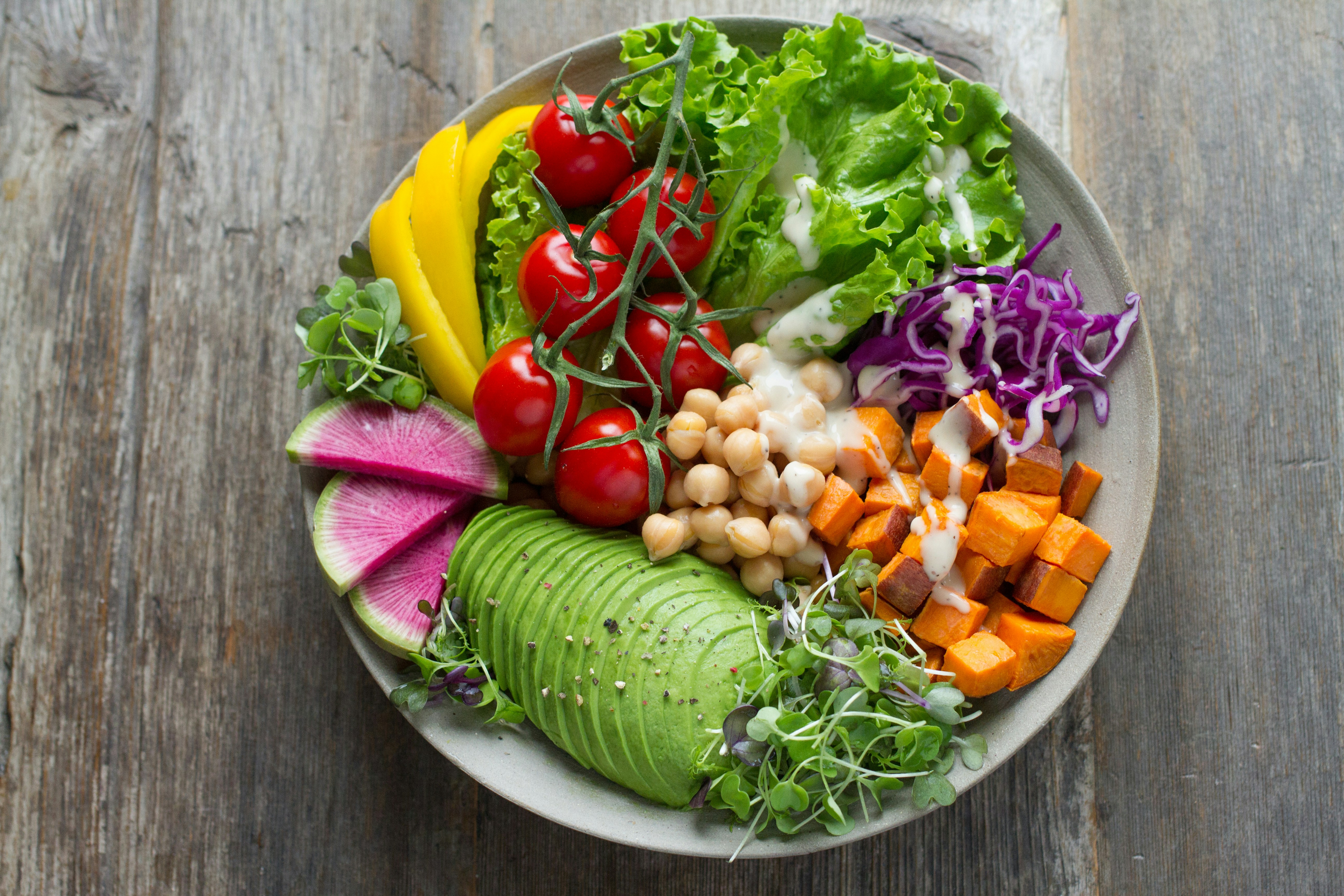
<p>Many people describe feeling swamped with questions when first exploring plant-based eating, especially concerning protein intake. A common worry often expressed is whether adequate protein can be obtained without traditional meat sources. Research and reader reports suggest that the answer is yes, and it is often easier than initially perceived.</p>
Why Protein Matters (Still!)
Whether one is consuming plants or meat, protein is regarded as a crucial nutrient. It is not exclusively for muscle development, though it certainly aids in that process. Protein is essential for tissue repair, enzyme and hormone production, and maintaining overall bodily function. It serves as the building blocks for aspects ranging from hair and nails to the immune system and brain function. When working with individuals, whether they are elite athletes or simply aiming for improved daily well-being, a consistent intake of quality protein is often identified as a top priority. Without adequate protein, individuals might experience sluggishness, difficulty with post-workout recovery, or notice their hair and skin appearing somewhat dull — outcomes that are generally not desired.
A 2020 review published in the journal Nutrients highlighted that while protein needs vary, athletes and older adults might benefit from slightly higher intakes, often around 1.2-2.0 grams per kilogram of body weight, regardless of their dietary pattern. For the average person, around 0.8-1.0 grams per kilogram is a good starting point. The advantage of plant-based protein is that it often comes bundled with fiber, vitamins, and minerals that might not be obtained in the same quantities from animal sources, which is a significant benefit for overall health.
Dispelling the 'Complete Protein' Myth for Vegans
One of the biggest misconceptions about nutrition, and one that has historically confused many, relates to 'complete amino acids' in plant foods. It is commonly heard that animal proteins are 'complete' because they contain all nine essential amino acids that the body cannot synthesize, while plant proteins are often labeled as 'incomplete'. This leads individuals to believe they must meticulously combine specific plant foods at every meal to create a 'complete' protein – such as beans and rice consumed simultaneously. This notion is inaccurate and can make plant-based eating appear more complicated than it genuinely is.
In reality, the human body is remarkably efficient. It maintains an amino acid pool from which it draws throughout the day. As long as a variety of plant foods are consumed over the course of a day, all nine essential amino acids will be obtained. Dr. T. Colin Campbell, a renowned nutritional biochemist and author of The China Study, has long asserted how easily protein needs can be met through a varied plant-based diet. Therefore, there is no need to be concerned about pairing lentils and whole-wheat bread on the same plate at every meal. By consuming a diverse range of plant-based foods, the body will naturally assemble the necessary components.
My Go-To Plant-Based Protein Powerhouses
So, where does one find all this amazing vegan protein? The good news is, it's everywhere! Here are some of the VitalLife Editorial Team's favorite recommendations:
- Legumes: This is a massive category and a true MVP. Think black beans, chickpeas (hello hummus!), lentils of all colors, cannellini beans, kidney beans. A single cup of cooked lentils, for example, packs around 18 grams of protein. These are often recommended for use in soups, salads, or lentil bolognese.
- Tofu, Tempeh, and Edamame: These soy-based foods are fantastic because they're extremely versatile and generally provide all the essential amino acids. Tofu can be scrambled, baked, or stir-fried. Tempeh has a firmer texture and a nutty flavor that’s great for grilling or crumbling into chili. Edamame makes a perfect snack. A 3.5-ounce serving of firm tofu offers about 8 grams of protein.
- Grains: While grains are primarily known for carbohydrates, many also contribute significantly to protein intake. Quinoa is a superstar here, offering about 8 grams per cooked cup and is one of the few plant foods considered a complete protein on its own. Brown rice, oats, farro, and whole wheat pasta also add up!
Nuts and seeds should not be overlooked either! Almonds, walnuts, chia seeds, flax seeds, and especially hemp seeds are loaded with protein and healthy fats. Just a 3-tablespoon serving of hemp seeds can give you around 10 grams of protein!
Protein in Unexpected Places
Beyond the usual suspects, protein shows up in some places many might not even realize. This is where variety really counts. For instance, many vegetables contain a surprising amount of protein per calorie, even if the total grams per serving seem lower. Think about spinach, broccoli, or Brussels sprouts. A large head of broccoli, for example, can have around 8-10 grams of protein, plus a ton of fiber and vitamins.
Even potatoes, often unfairly villainized, contribute! A medium baked potato with the skin can give about 4-5 grams of protein. A common strategy is often to encourage individuals to 'sprinkle' protein throughout their meals. Add nutritional yeast to popcorn or pasta for a cheesy flavor and a boost of about 4 grams of protein per tablespoon. Swap regular pasta for pasta made from chickpeas or lentils – brands like Banza make some incredible options that taste great and double the protein intake. These small shifts really add up over the day and make it easier to hit protein targets without feeling overwhelmed.
When to Consider Supplements and Other Thoughts
Most individuals can easily meet their protein needs through whole plant foods alone, especially by focusing on a wide array of legumes, grains, nuts, and seeds. However, there are times when supplements can be really helpful. For athletes with higher protein demands, or for those who are just starting out and struggling to eat enough volume of food, a plant-based protein powder can be a convenient way to boost intake. Brands like Garden of Life or Orgain are often suggested; look for ones with a blend of pea, rice, and hemp protein to ensure a full spectrum of amino acids.
When choosing a protein powder, it is advisable to find one with minimal added sugars and artificial ingredients. Another consideration is vitamin B12. While protein is easy to get, B12 isn't naturally found in plant foods and is crucial for nerve function and red blood cell formation. A B12 supplement is almost always a good idea for anyone on a long-term vegan diet, as recommended by organizations like the Academy of Nutrition and Dietetics. Remember, a plant-based diet isn't just about what is cut out, but what incredible, nutrient-dense foods are packed in!
Key takeaways
- Protein is essential for whole-body health, not just muscles, and needs are easily met on a plant-based diet.
- The 'complete protein' myth is largely debunked; your body combines amino acids over the day from varied plant foods.
- Incorporate cornerstone vegan protein sources like legumes, tofu, tempeh, quinoa, nuts, and seeds into your diet.
- Seek out protein in less obvious places like dark leafy greens, broccoli, and even potatoes to boost overall intake.
- Consider a plant-based protein powder for convenience or higher needs, and always supplement with Vitamin B12.
This article reflects the personal experience and professional opinion of the author and is provided for educational purposes. It is not a substitute for medical advice. Always consult a qualified clinician before making changes to your nutrition, training, or sleep.
Related Articles
The Science Behind Intermittent Fasting
Discover how intermittent fasting affects your metabolism.
Protein Requirements Guide
Evidence-based protein intake for optimal health.
Meal Planning Made Easy
Save time and eat healthier with planning.