Meal Planning Guide: Save Time & Eat Healthier
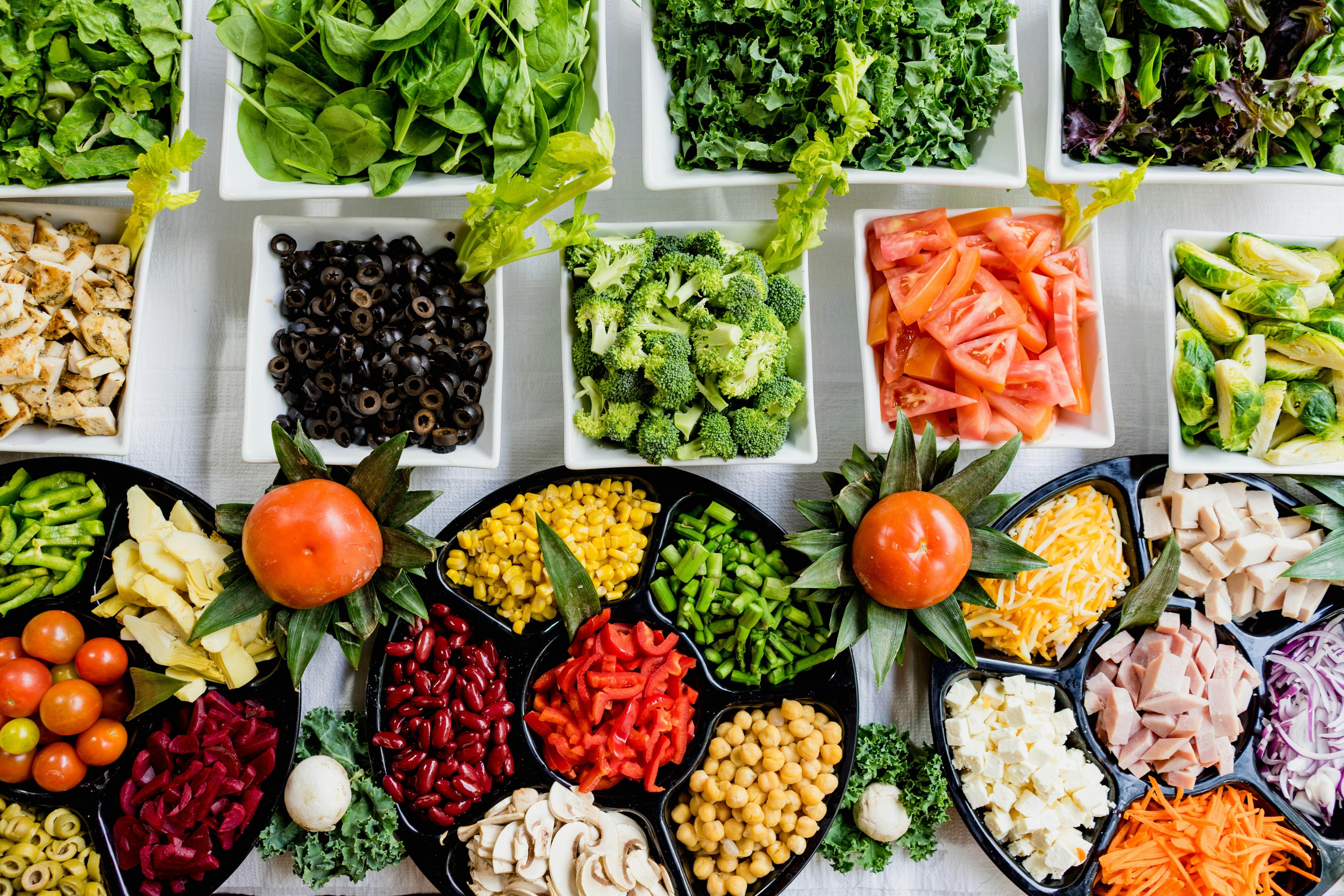
<p>Many individuals recall the initial challenges of attempting to ‘eat healthier.’ Their refrigerators were often either stocked with ambitious but unused ingredients or, frequently, entirely empty, leading to impulsive takeout choices. It often felt like a perpetual struggle against time and temptation, and the financial impact was also notable. This experience often leads people to fully commit to understanding meal planning strategies.</p>
Why Bother Anyway? The Real Benefits Many People Report
When considering nutritional planning, the prospect of organizing meals days in advance can seem like an additional burden. However, the benefits are widely reported to be substantial. For many individuals, a primary advantage is the mental space it liberates. Imagine not having to confront the "what's for dinner?" dilemma daily. This saved mental energy can then be redirected towards other pursuits – spending quality time with family, engaging in physical activity, or simply relaxing with a book.
Furthermore, the health advantages of meal planning are evident. Planning encourages healthier food selections. Individuals are less likely to choose less nutritious options when they have a prepared, healthy meal readily available. A study published in the Journal of the American Dietetic Association in 2017 indicated that individuals who regularly planned their meals consumed a higher quality diet and exhibited lower rates of obesity. Additionally, the financial aspect is significant. Reports from those who implemented meal planning often highlight considerable savings from reduced impulse grocery purchases and takeout meals. It presents multiple advantages.
Your Starting Point: The Weekly Menu & Inventory Check
Where does one even begin? The absolute first step recommended for everyone is to create a weekly menu. There's no need to overthink it. Grab a piece of paper, a whiteboard, or even a simple app on one's phone. Jot down breakfast, lunch, and dinner for each day. Start with favorite, easy-to-make meals. If tacos are a favorite, put tacos on the list! If oatmeal is the preferred breakfast, that’s great. The goal here is consistency, not culinary mastery.
Before even thinking about hitting the grocery store, do a quick inventory of the fridge, freezer, and pantry. This is crucial for saving money and preventing food waste. How many times has one bought a second tub of hummus only to find one hiding in the back of the fridge? This is a common experience! Write down what is already on hand. Perhaps there are some chicken breasts in the freezer or half a bag of spinach. Incorporate those items into the weekly menu. It might be surprising how often a 'nothing to eat' scenario is actually a 'haven't looked properly' scenario.
Strategic Shopping: The List That Works
With a weekly menu and inventory in hand, creating a grocery list becomes unbelievably simple and, for many, almost enjoyable. Organizing a list by store sections (produce, dairy, protein, pantry staples, etc.) can save a significant amount of time. This method prevents backtracking through aisles while trying to remember if specific items, such as almond milk, have been acquired. It is a small trick that often makes a big difference in efficiency.
Readers are encouraged to stick to their list diligently. Impulse buys are often considered silent killers of a well-planned budget and diet. Even if a brightly colored snack display appears tempting, if it is not on the list, it should not go in the cart. The list can serve as a protective barrier against marketing tactics. Researcher Dr. Brian Wansink at Cornell University, known for his work on consumer behavior, has demonstrated how environmental cues in supermarkets can significantly influence purchasing decisions. A solid list helps combat those subconscious nudges toward unneeded items.
The Power of Meal Prep & Batch Cooking
This is where the magic happens for many. Meal prep and batch cooking are synonyms for saving one's future self a ton of effort. Dedicating a couple of hours, usually on a Sunday afternoon, can provide a head start on the week's meals. What does this look like in practice?
- Chop veggies in advance: Carrots, celery, bell peppers – having them ready for salads, stir-fries, or snacking.
- Cook grains: A big batch of quinoa, brown rice, or farro can be used for multiple meals.
- Roast proteins: Baking a tray of chicken breasts or roasting a big batch of chickpeas for easy additions to salads, wraps, or as a main dish.
- Prepare dressings: Making a homemade vinaigrette or sauce to elevate simple components.
When starting out, many find it helpful to roast two trays of different veggies – broccoli and sweet potatoes, for example – and grill enough chicken for several meals. Then, throughout the week, only assembly is needed. One reader reports swearing by making a huge pot of chili or lentil soup on Sunday; it can last for several lunches and one quick dinner, freeing up weeknights beautifully.
Smart Storage and Repurposing Leftovers
Once cooking is complete, proper storage becomes crucial for extending the life of prepared meals. Investing in good quality, airtight containers is recommended. Glass containers are often preferred because they resist staining, are easy to clean, and can frequently be used for reheating food directly. Labeling containers with the date and contents may seem like an extra step, but it can prevent uncertainty about freshness later in the week.
Repurposing leftovers is an effective strategy. For example, leftover roasted chicken can be transformed into a chicken salad sandwich for lunch, or shredded for tacos. Extra rice can become the base for a quick fried rice. Leftover roasted vegetables can be tossed with pasta and pesto for a rapid dinner. The philosophy often embraced is to cook once and eat multiple times. This approach emphasizes creativity, minimizes food waste, and maximizes convenience. Additionally, this strategy can reduce decision fatigue, particularly on busy weeknights.
Staying Flexible and Learning from Experience
While the VitalLife Editorial Team advocates for planning, there is also a realistic understanding that life happens. Sometimes a dinner plan gets scuttled by an unexpected invitation, or one simply doesn't feel like eating what was prepped. And that's okay. The beauty of a flexible meal planning approach is that it gives a solid foundation, but it's not a rigid prison sentence.
Readers are encouraged to think of meal planning as a living document. Review the weekly menu at the end of the week. What worked? What didn't? Did too much of one ingredient remain? Was a certain meal consistently skipped? Tweak it for the next week! Maybe Sunday prep needs to include an extra healthy snack, or perhaps fewer dinners need to be planned because of dining out once a week. This system can evolve considerably over the years, incorporating quicker recipes and more strategic batch cooking as schedules shift. It's all about finding what genuinely works and makes life easier, not harder.
Key takeaways
- Commit to a weekly menu to reduce decision fatigue and improve dietary quality.
- Prioritize inventory checks before shopping to save money and prevent food waste.
- Utilize meal prep and batch cooking for grains, proteins, and chopped veggies to streamline weeknight meals.
- Invest in good storage solutions and creatively repurpose leftovers to extend your efforts.
- Embrace flexibility; analyze what works and adjust your plan regularly to fit your changing lifestyle.
This article reflects the personal experience and professional opinion of the author and is provided for educational purposes. It is not a substitute for medical advice. Always consult a qualified clinician before making changes to your nutrition, training, or sleep.
Related Articles
The Science Behind Intermittent Fasting
Discover how intermittent fasting affects your metabolism.
Protein Requirements Guide
Evidence-based protein intake for optimal health.
Plant-Based Protein Sources
Meet your protein needs without meat.