How to Build a Home Gym on Any Budget
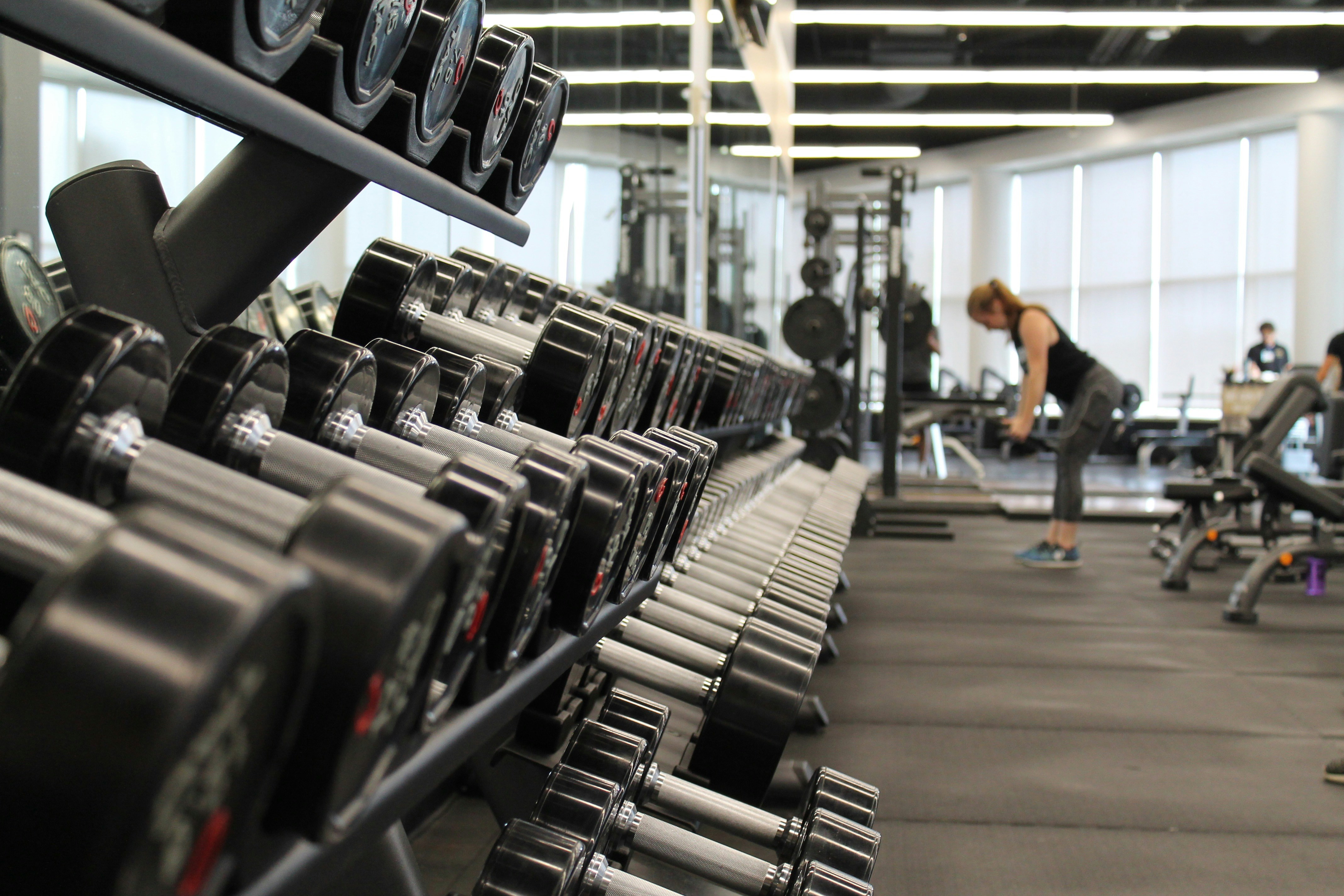
<p>Many individuals recall the initial stages of considering a home gym. For some, it might have been shortly after college, residing in a small apartment with a limited budget. Scrolling through social media, seeing impressive home gym setups with squat racks and cable machines, can lead to the thought, 'There's no way to achieve something like that.' However, it's quickly learned that a dedicated room or thousands of dollars aren't necessary for a solid workout in one's own space. An early 'gym' setup for many might consist of a yoga mat, a jump rope, and a few household items repurposed for resistance.</p>
Why a Home Gym Makes Perfect Sense for Many
The appeal of a commercial gym is often recognized – the energy, the community, the variety of equipment can be invigorating. However, life frequently presents obstacles. For many, this might involve navigating 6 AM rush hour traffic to reach the gym before work, or attempting to fit in a session after a long day when rest is the primary desire. This is precisely where a home gym demonstrates its value. Its benefits extend beyond merely saving money on membership fees, which can accumulate to hundreds of dollars annually (for example, a $50/month gym membership totals $600 per year!). The core advantages lie in convenience and consistency. When a gym is readily accessible, common excuses related to time or travel often vanish.
A study published in the Journal of Health Economics in 2011 by researchers Dr. Jaypee Sevilla and Dr. John Cawley found that convenience and travel time significantly impact gym attendance. This finding aligns with common understanding: if an activity is more difficult to access, participation is likely to decrease. For many individuals, particularly those with demanding careers or young children, a home gym has proven to be transformative for maintaining a fitness routine. It offers the freedom to wear comfortable clothing, play preferred music at any volume, and eliminate concerns about equipment availability. These aspects enhance the overall appeal and practicality of a home fitness setup.
Starting Small: The Ultra-Budget Home Gym (<$100)
When discussing a tight budget, it can be surprising how much can be accomplished with very little. Specialized, expensive equipment is not always necessary; foundational movements are key. Top picks for under $100 often include a good quality jump rope (such as the Crossrope Get Lean Set, or even a basic speed rope from Rogue Fitness), resistance bands, and a sturdy yoga mat. It is often possible to acquire all three for under sixty dollars by shopping judiciously. With these items, individuals can engage in cardio, strength training, core work, and stretching.
Consider the range of exercises possible: bodyweight squats, lunges, push-ups (regular, incline, decline), planks, glute bridges, numerous band exercises for both upper and lower body, and various jumping activities to elevate heart rate. One reader who tried this approach started with just a set of resistance bands from a popular online retailer (approximately $25) and a mat already owned. Within six months, that individual reported being able to perform full push-ups and felt significantly stronger. Joseph Pilates himself emphasized control and body awareness, which these simple tools effectively help to develop. This approach allows individuals to build habits and discipline without significant financial outlay, representing a minimalist yet effective approach to a home gym.
Leveling Up: The Mid-Range Home Gym ($100-$500)
Once there is more flexibility in expenses, or if initial goals have been met with a basic setup, it's time to consider some upgrades. This budget range opens up many possibilities for a truly versatile home gym. A primary recommendation for this stage is a set of adjustable dumbbells. Brands like Bowflex SelectTech or PowerBlock are recognized as fantastic space-savers, capable of replacing an entire rack of dumbbells. It's often possible to find a good used set on Facebook Marketplace for around $200-$300, or a new pair for $350-$500 depending on the weight range.
Next, a pull-up bar can be a valuable addition. A doorway pull-up bar (such as those from Iron Gym) is often super affordable, typically under $30, and facilitates essential back and bicep work. If more space is available, a basic weight bench significantly enhances workout options for chest presses, rows, and step-ups. Solid, flat benches can be found for $70-$150. Even just a few kettlebells in varying weights can add incredible versatility to a home workout routine. One individual who invested in a 24kg kettlebell and an adjustable dumbbell set for about $400 reported canceling their gym membership and achieving better and more consistent workouts than they had previously.
The Ultimate Home Gym: Splurge Items (>$500)
For those who have saved up, dedicated space, and are ready to invest in significant equipment, the focus shifts to larger pieces for a truly comprehensive home gym. A high-quality squat rack or power cage is often considered a primary big-ticket item. It serves as the centerpiece for compound lifts such as squats, bench presses, and overhead presses, offering considerable safety with spotter arms. Brands like Rogue Fitness, Titan Fitness, or Rep Fitness provide excellent options typically ranging from $400 to $1000+. An Olympic barbell and accompanying weight plates will also be necessary.
Another highly recommended investment, particularly for cardio, is a good quality indoor cycling bike, such as a Peloton (new or used), or a Concept2 rower. These machines deliver full-body workouts and are recognized for their durability and engaging platforms. While these options are generally more expensive, sometimes costing thousands, they offer a gym-quality experience within the home. For instance, a Concept2 RowErg usually costs around $1000-$1100 new; its lifespan and resale value are notably high. For individuals training for events like a triathlon at home, a Concept2 can be an indispensable tool, saving on membership costs and commuting time to other facilities.
Smart Shopping Tips for Your Home Gym
Regardless of an individual's budget, smart shopping can save a significant amount of money. Here are some effective strategies:
- Buy Used: Facebook Marketplace, Craigslist, and local garage sales are often excellent sources for used fitness equipment. Individuals frequently purchase equipment with good intentions, use it minimally, and then sell it for a fraction of the original cost. It is common to find new resistance bands still in their packaging for significantly reduced prices, and slightly used weight benches can also be acquired affordably.
- Seasonal Sales: It is advisable to monitor Black Friday, Cyber Monday, and post-holiday sales. Many fitness retailers offer substantial discounts during these periods.
- DIY: Creativity can be employed. Old tires can be effective for conditioning, sandbags can be made economically, and sturdy chairs can function as dip stations.
- Invest in Quality (When it Matters): For items such as adjustable dumbbells, a power cage, or a rower, investing more in a reputable brand often results in greater durability and safety. A flimsy squat rack, for instance, should generally be avoided.
- Start Small and Expand: It is not necessary to acquire all equipment at once. Begin with essentials, assess what is actually used and needed, and then gradually add more equipment as fitness levels and budgets allow.
Dr. Brad Schoenfeld, a prominent exercise scientist known for his work on hypertrophy, often emphasizes progressive overload. This can be achieved with minimal equipment, by adding intensity, reps, or sets, before heavier weights are necessarily required. Therefore, individuals should not feel pressured to purchase all equipment simultaneously.
Making the Most of Your Space (No Matter How Small)
One of the biggest hurdles commonly encountered with home gyms is the perceived lack of space. Many individuals start their home gym journey in a small corner of a room, sometimes as little as a 4x6 foot section. The key is strategic planning. Adjustable dumbbells, as previously mentioned, are excellent space-savers. Wall-mounted racks or pull-up bars that fold away are also highly effective solutions. Vertical storage is invaluable – consider wall hooks for bands, jump ropes, and even yoga mats.
Consider multi-purpose equipment. A flat bench can serve as a step-up platform or for box jumps. Resistance bands can be anchored to a doorframe. Even existing furniture can sometimes be utilized (with caution!) – a sturdy coffee table might work for incline push-ups, for example. Before acquiring any equipment, it is advisable to measure the available space. Think about the full range of motion required for exercises. Can arms be extended fully for an overhead press? Is there enough room for lunges without encountering obstructions? A minimalist approach often leads to a more effective and less cluttered space. With creativity, significant accomplishments are possible.
Final Thoughts: Building Your Perfect Home Gym
Building a home gym isn't about replicating a commercial gym; it's about creating a functional, inspiring space that helps individuals achieve their fitness goals on their terms. It's a personal sanctuary where one can sweat, focus, and grow without judgment or inconvenience. Whether starting with a budget of practically nothing or ready to invest in serious machinery, the principles remain the same: prioritize versatility, efficiency, and safety. A massive budget is not necessary to get massive results; only a plan and dedication are needed.
Think about what exercises are actually enjoyed and consistently done. Then, find the equipment that facilitates those movements most effectively within budget and space constraints. Remember, the best home gym equipment is the stuff that will actually be used. So, get started, stay consistent, and enjoy the freedom of having a personal fitness haven right at home. It is often considered one of the best investments one can make in themselves.
Key takeaways
- You don't need a huge budget or dedicated space to build an effective home gym; start with essentials.
- Prioritize versatile equipment like resistance bands, adjustable dumbbells, and a jump rope for maximum utility.
- Utilize smart shopping strategies like buying used or waiting for sales to save money on equipment.
- Measure your space and consider multi-purpose or foldable equipment to maximize limited areas.
- Invest in quality for essential items (like a squat rack or rower) if your budget allows for safety and durability.
- Consistency is key; the 'best' home gym is one you'll actually use regularly, regardless of its fanciness.
This article reflects the personal experience and professional opinion of the author and is provided for educational purposes. It is not a substitute for medical advice. Always consult a qualified clinician before making changes to your nutrition, training, or sleep.
Related Articles
Building Muscle After 40
Effective strategies to build and maintain muscle mass.
HIIT vs Steady State Cardio
Compare different cardio approaches for your goals.
Strength Training for Beginners
Complete guide to building your first routine.